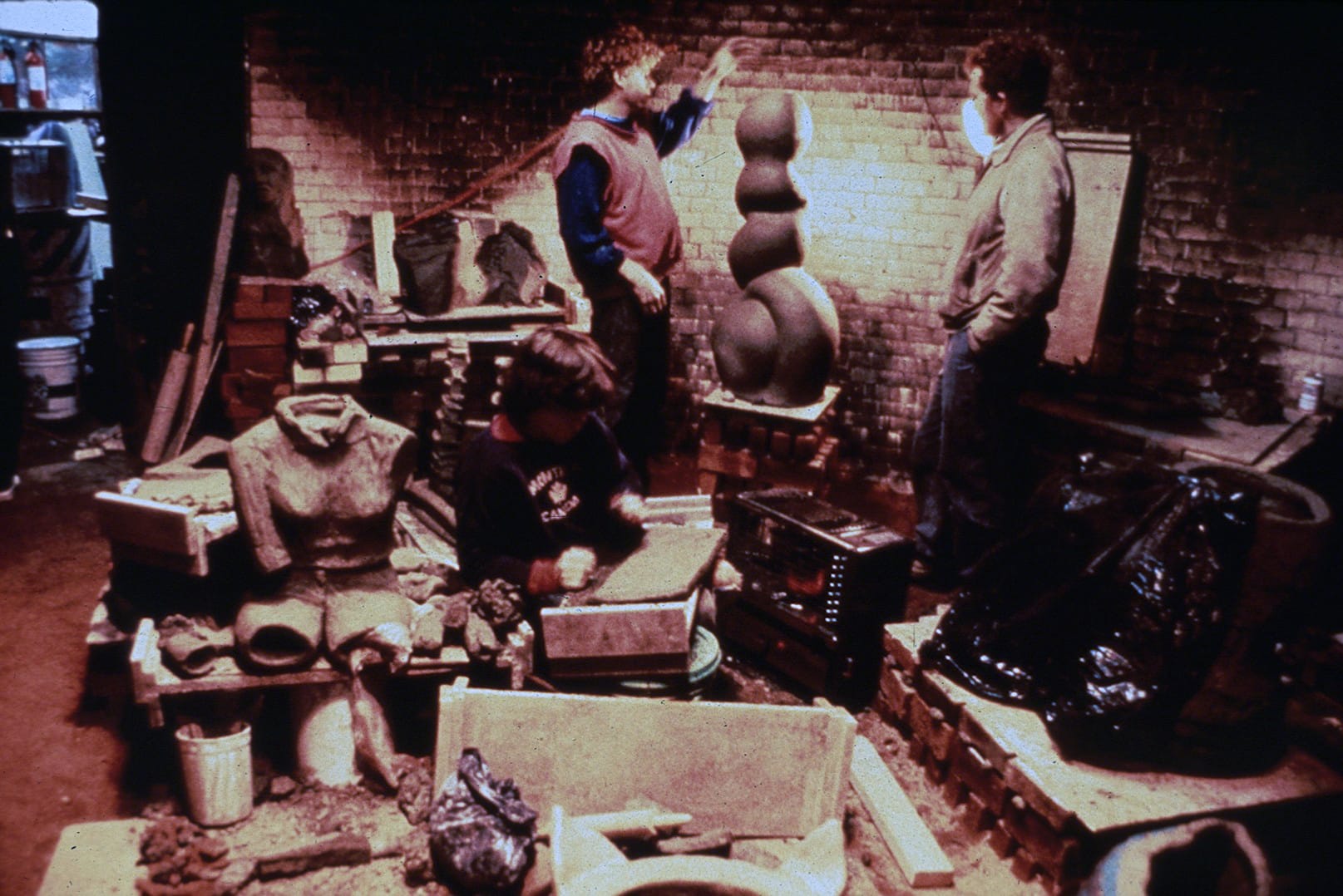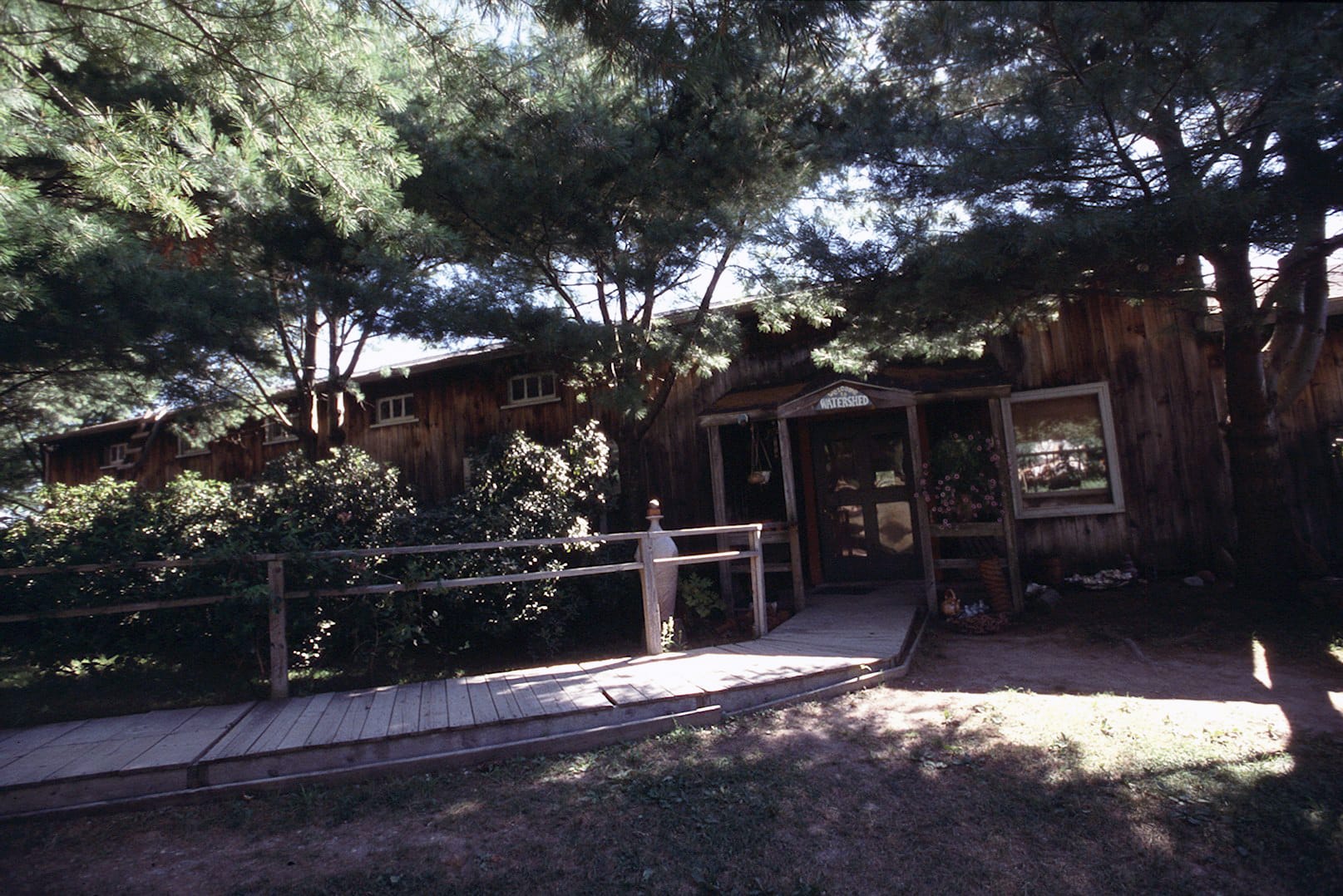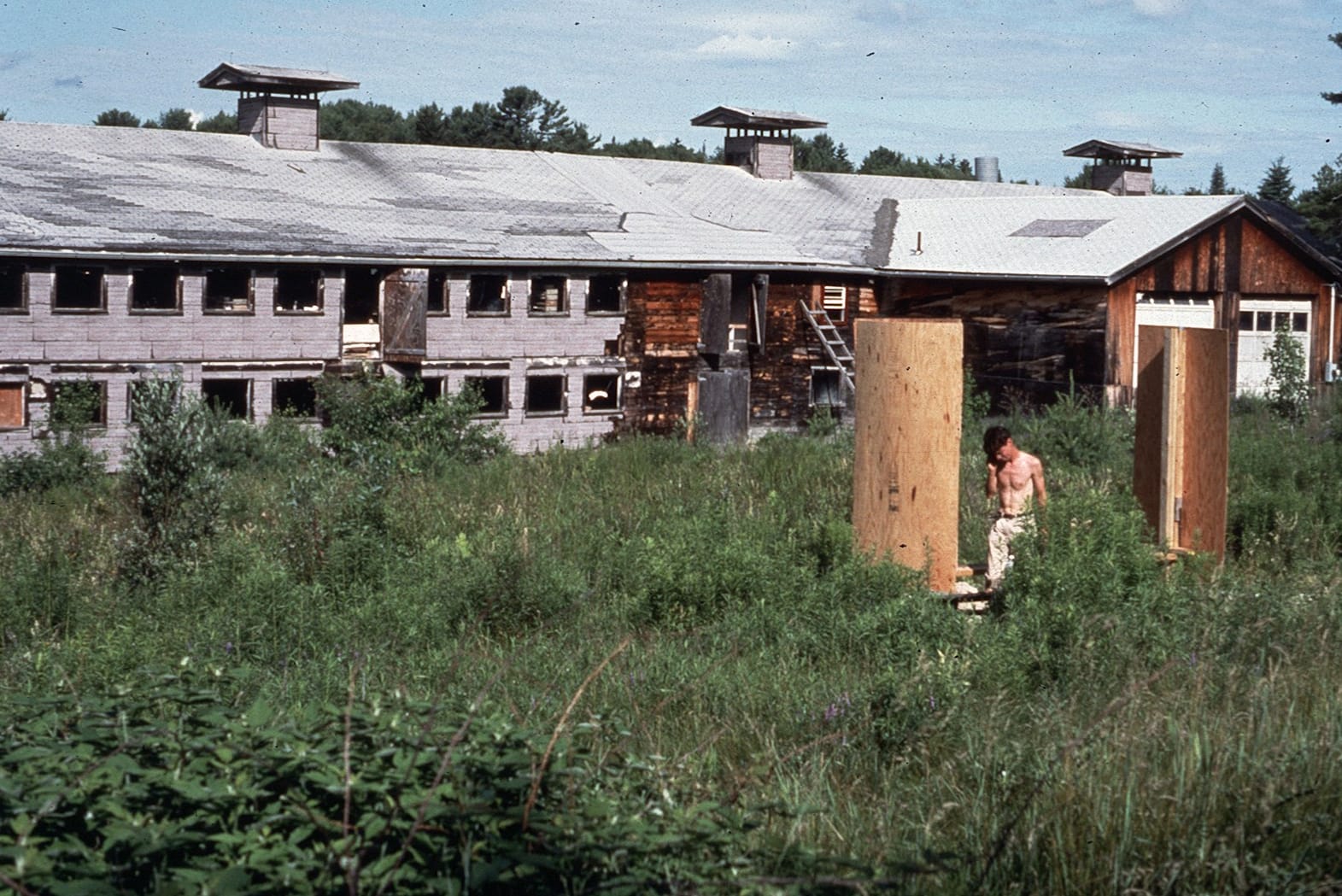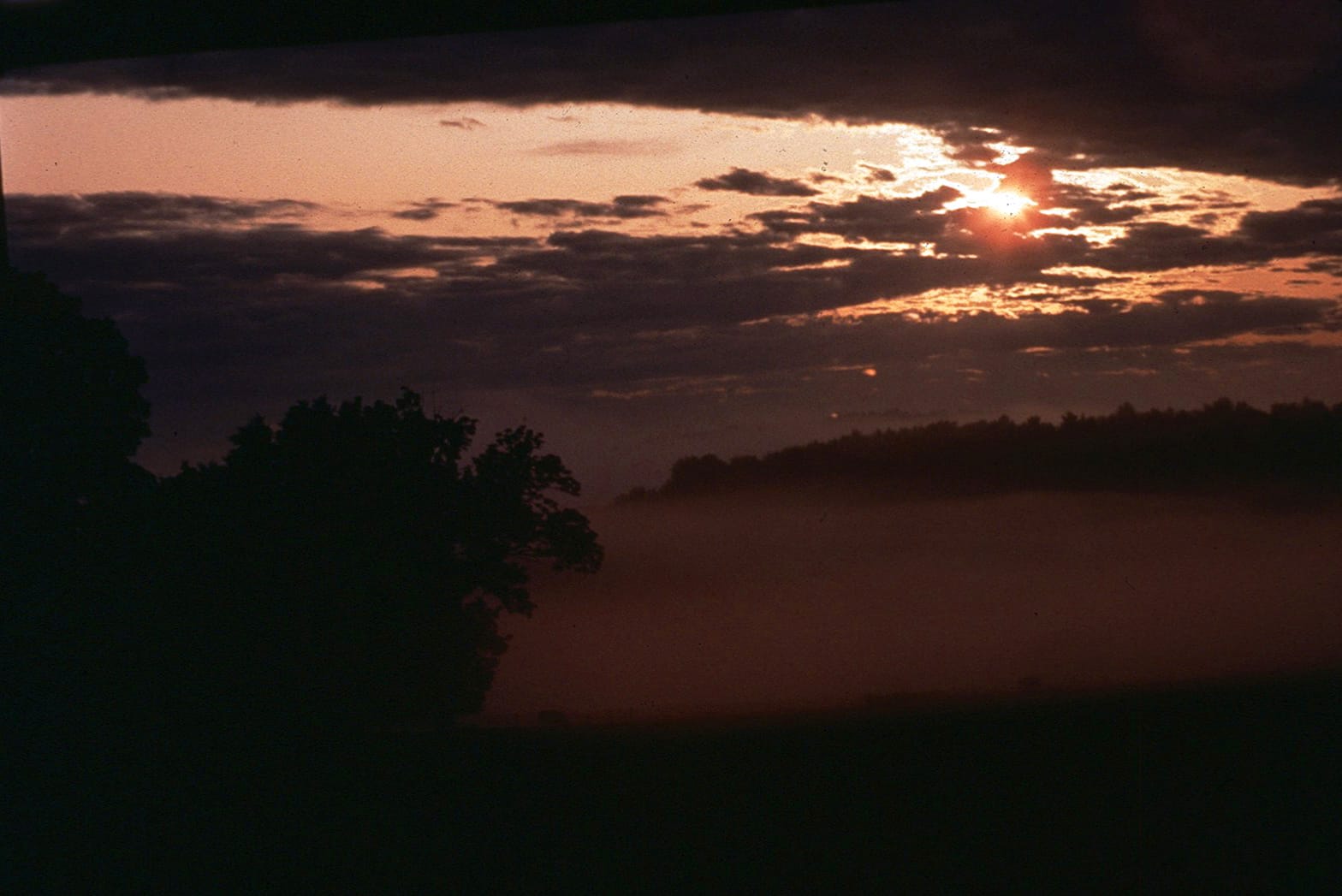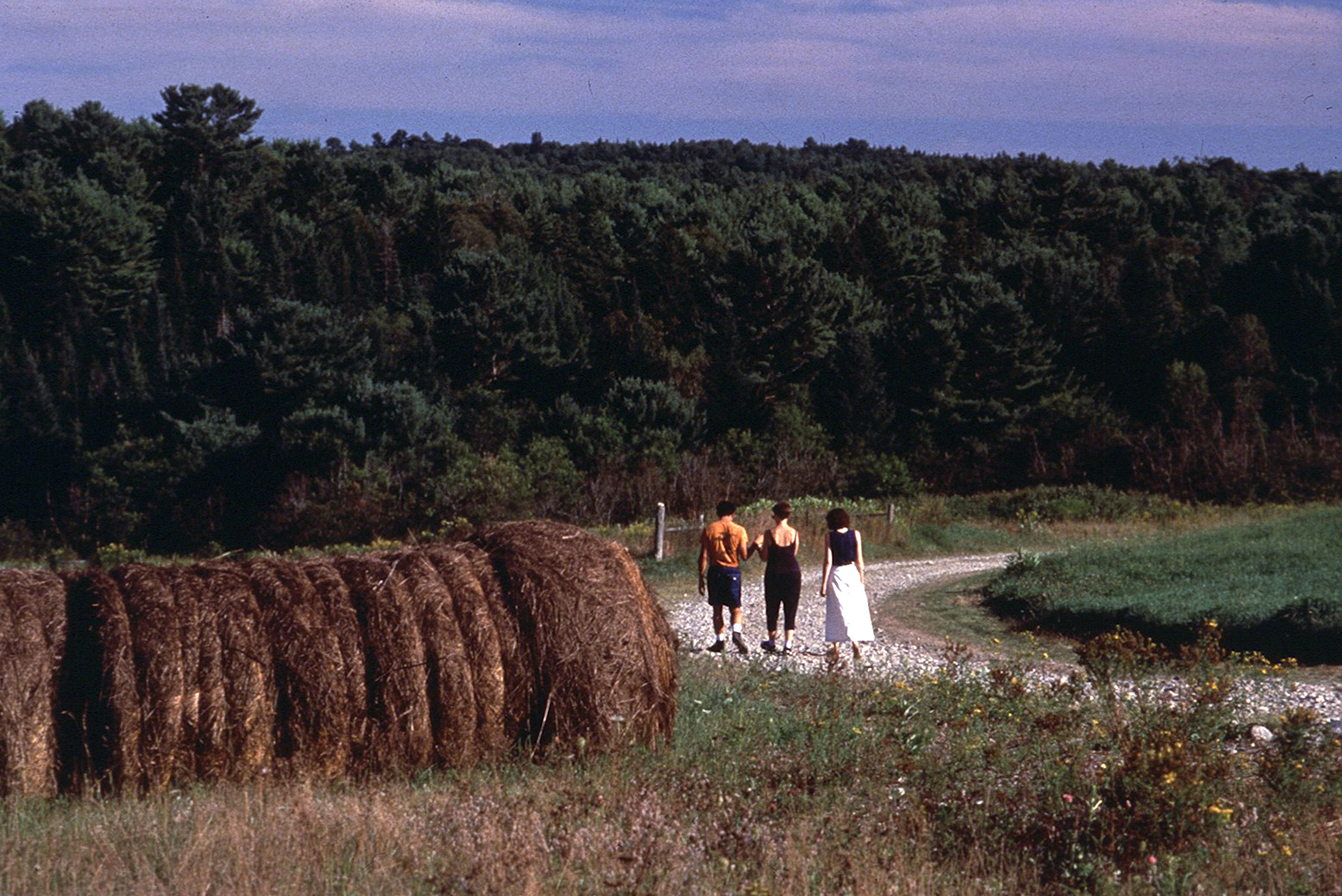
The history of Watershed begins with clay—drawn from the riverbanks of midcoast Maine, where material and livelihood were once closely intertwined. Throughout the 19th century, the region sustained a local industry built on water-struck brick, a dense mixture of clay and water valued for its strength and permanence.In the 1970s, an effort to revive this industry took shape on what is now the Watershed campus in Newcastle. The brickworks operated only briefly, but left behind an abandoned factory (a converted chicken barn) and an abundance of marine clay—material that would soon invite a different kind of use.
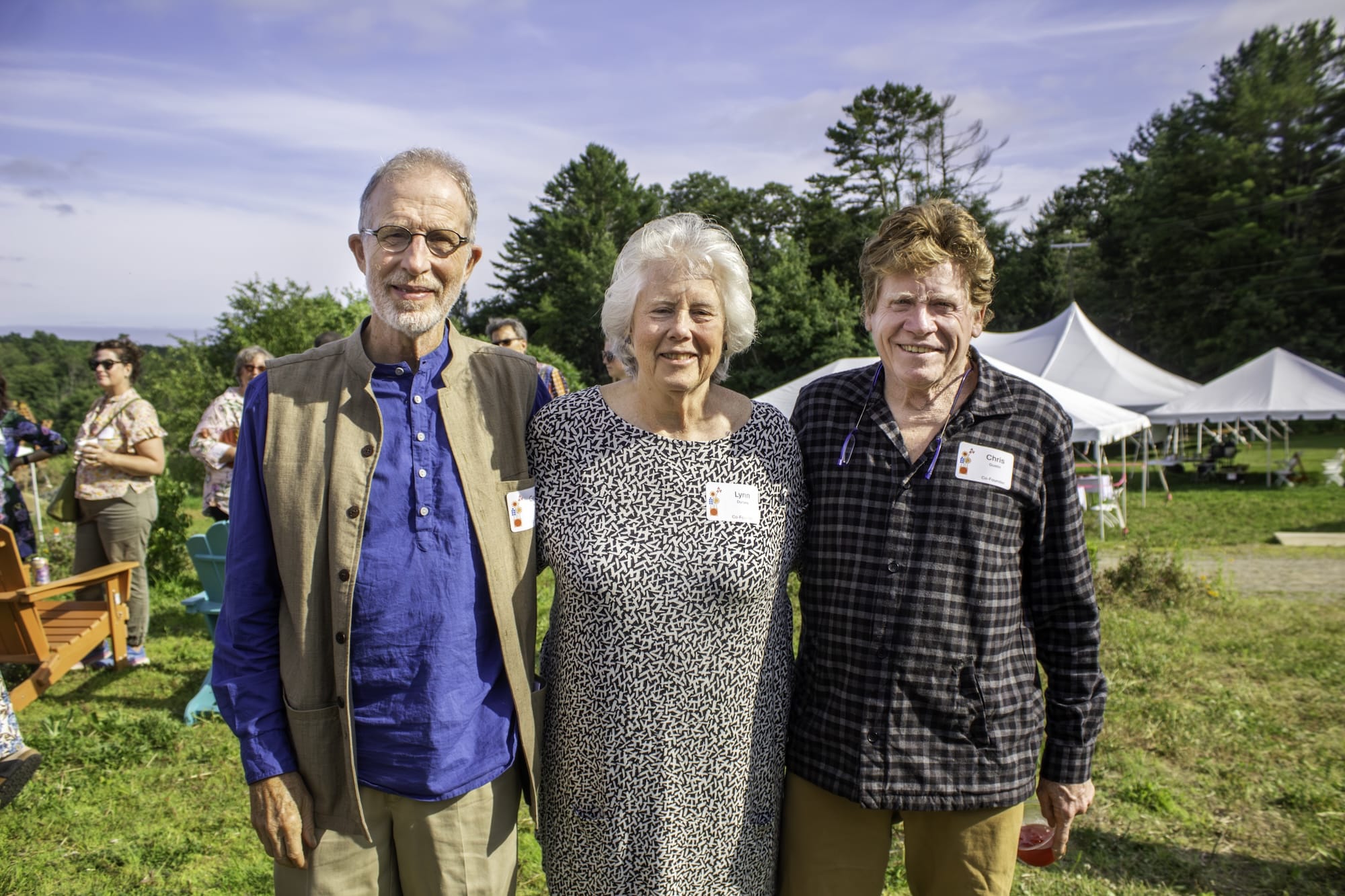
In 1986, Margaret Griggs, George Mason, Lynn Duryea, and Chris Gustin re-imagined the site as a place for artists. What had been a space of production became one of shared inquiry: a place to live, work, and think alongside others. The openness of the former factory, with its history as a site of labor, created conditions where expectations became malleable, and experimentation could take hold.
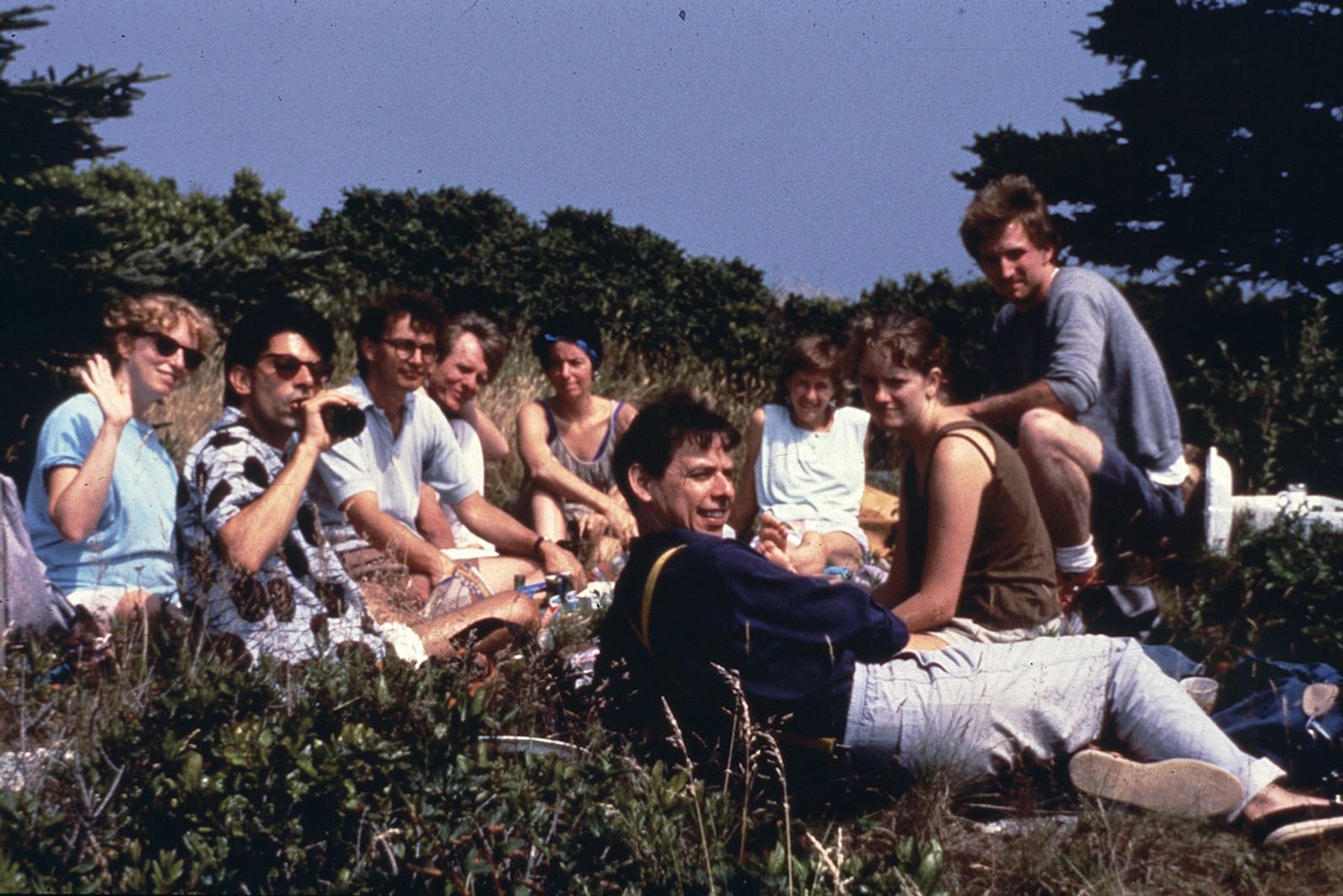
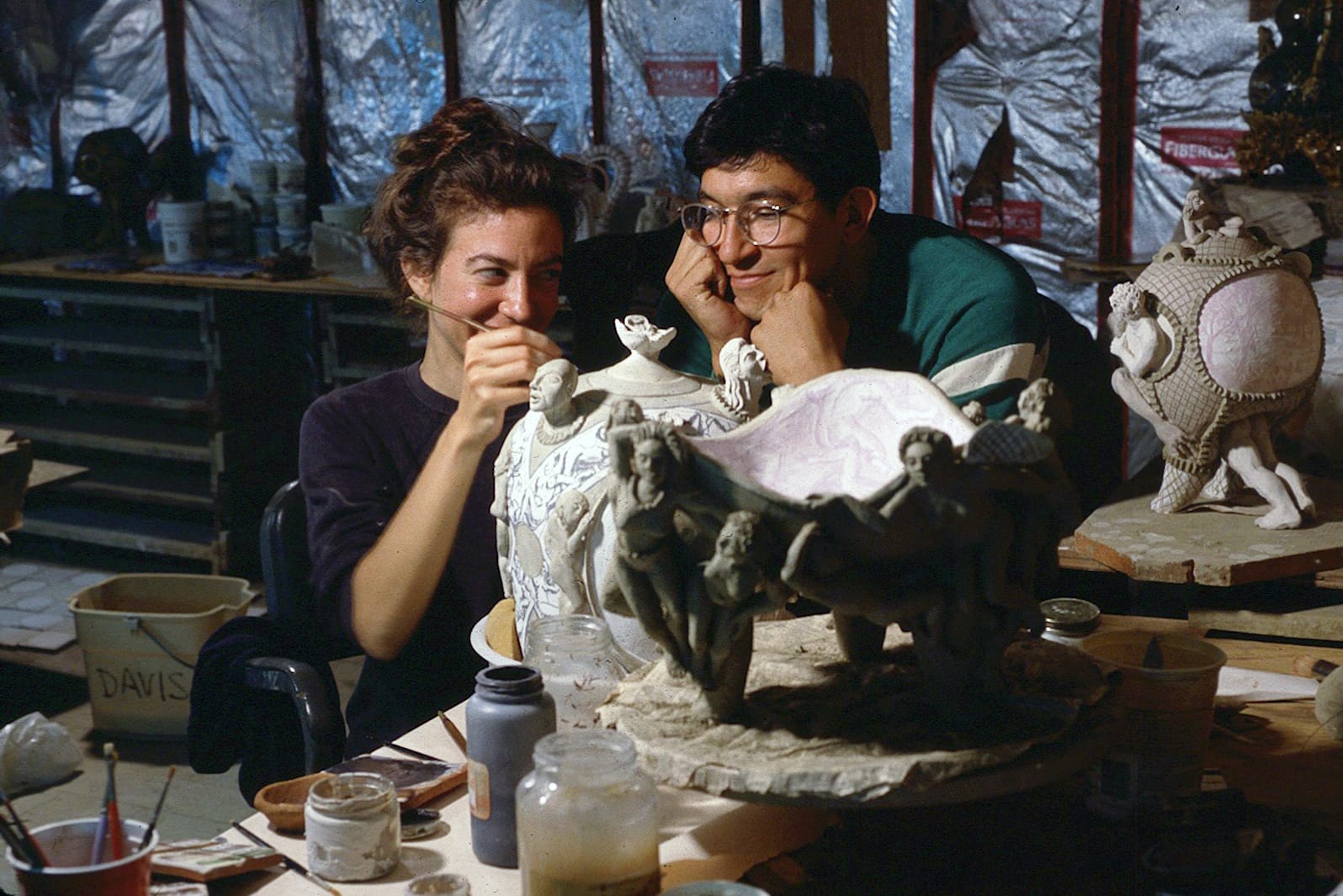
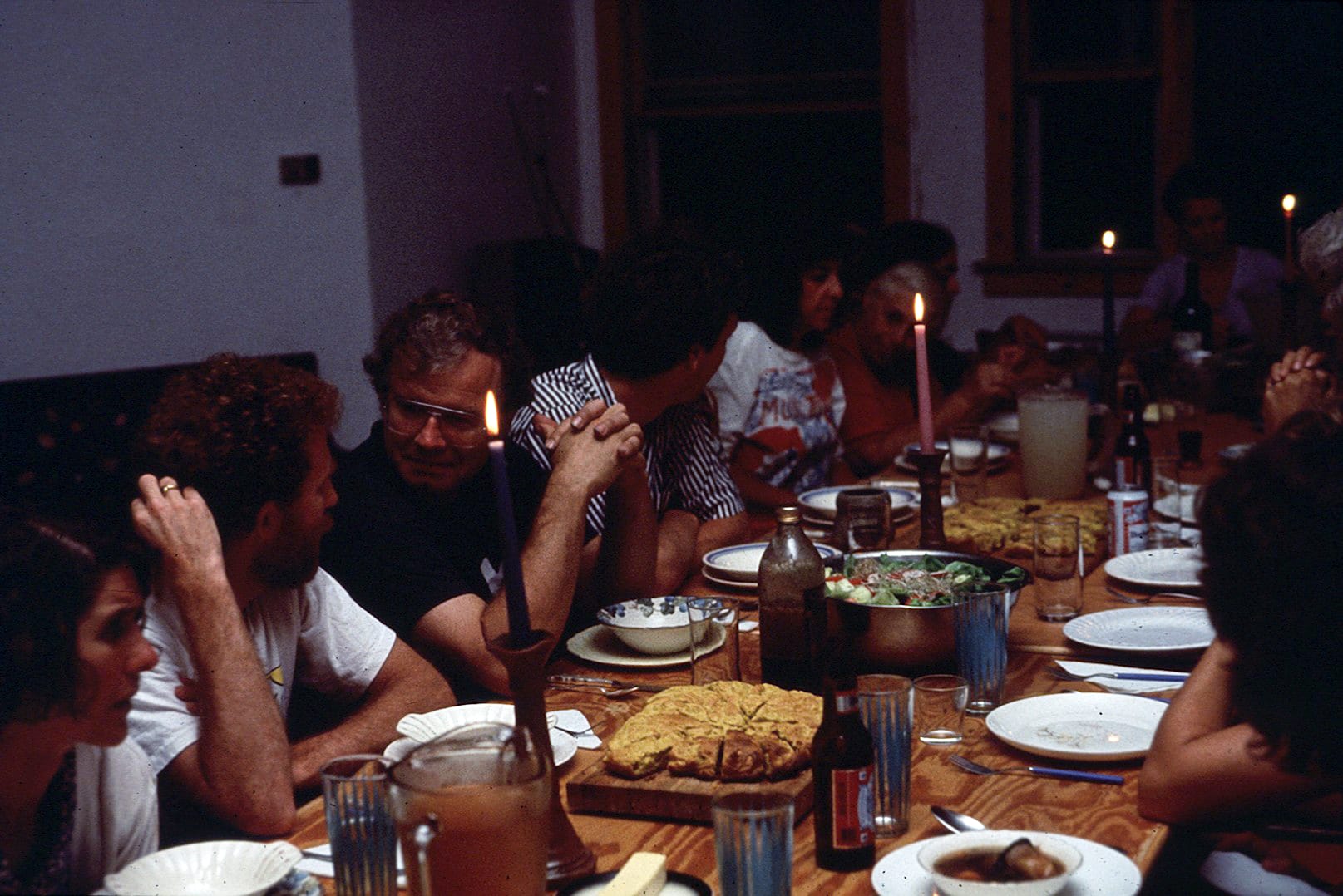
In its early years, Watershed brought together small groups of artists for summer residencies, forming a community shaped equally by collective exchange and individual practice. Rooted in place yet outward-looking, this environment drew artists from across the country and around the world, each arriving with distinct perspectives and questions.
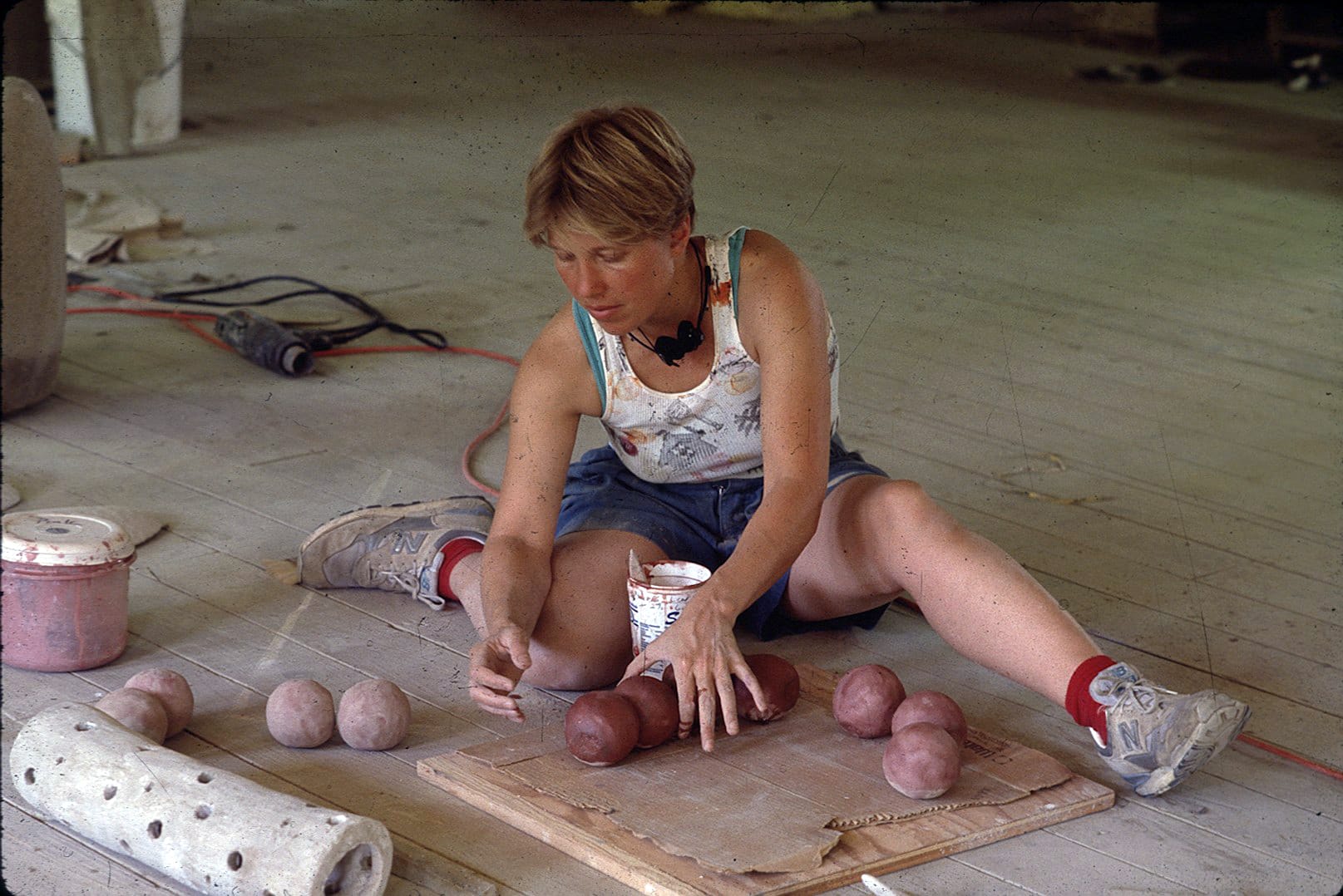
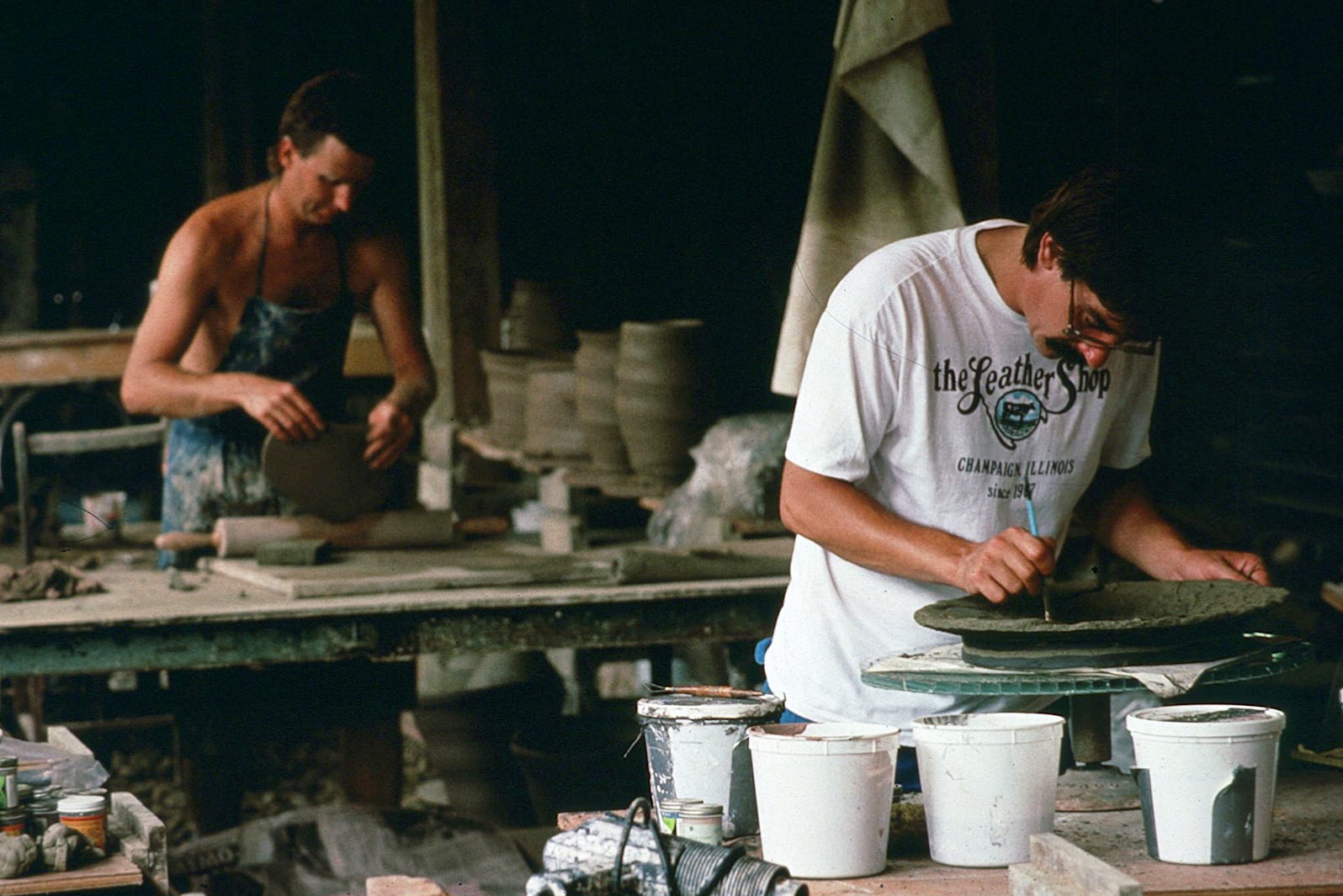
Now, Watershed exists within state-of-the-art facilities, the old chicken barn and residency hall replaced, but the place is still charged with the same vision. Watershed continues to be guided by the belief that meaningful work emerges through encounters between people, ideas, and materials. Clay remains central, but it is the conditions around it—time, space, and the presence of others— that also instruct. Within this environment, questions carry as much weight as outcomes, and the process of making becomes inseparable from the act of learning.
Through residencies, workshops, exhibitions, and educational programs, more than 200 artists come to Watershed each year. Sustained by its material history and shaped by the communities it convenes, Watershed remains a place set slightly apart—an open, generative space that supports artists in their practices while fostering a broader awareness of the ceramic arts.
The Watershed Workshop for People Living with HIV/AIDS
During the height of the HIV/AIDS crisis, Watershed’s workshops for people living with the illness provided space for support, creativity, and community care. A new publication, compiled and edited by Watershed co-founder Lynn Duryea with Franklin Brooks, documents the history of the program and contextualizes the impact of the work.
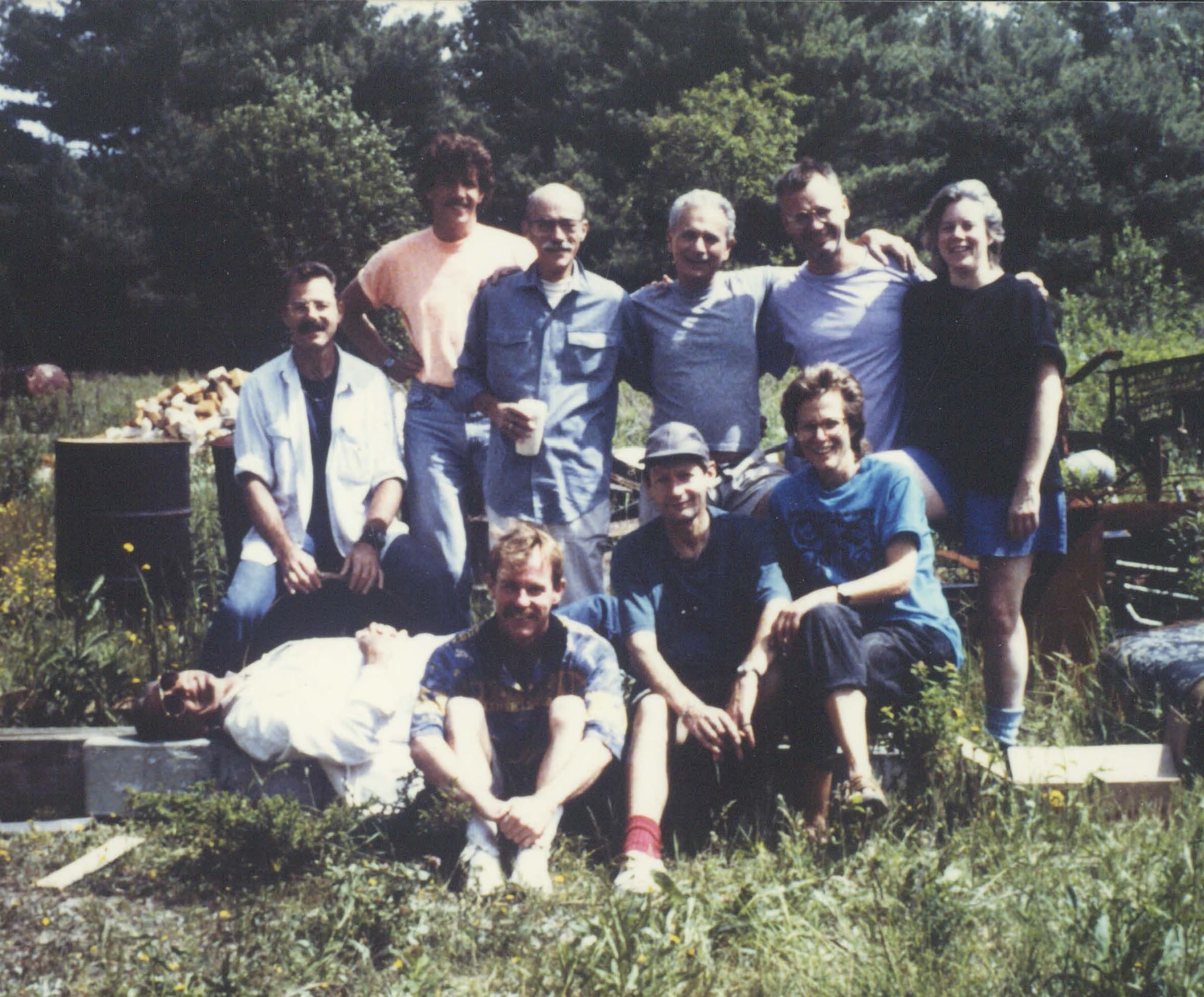
I shed many layers of my outer casing during this workshop. I wrote, I painted, I made a few ceramic posts. I returned home vulnerable and with humility, more in touch with my being than I thought possible.
— Patrick Clark, WPA Participant