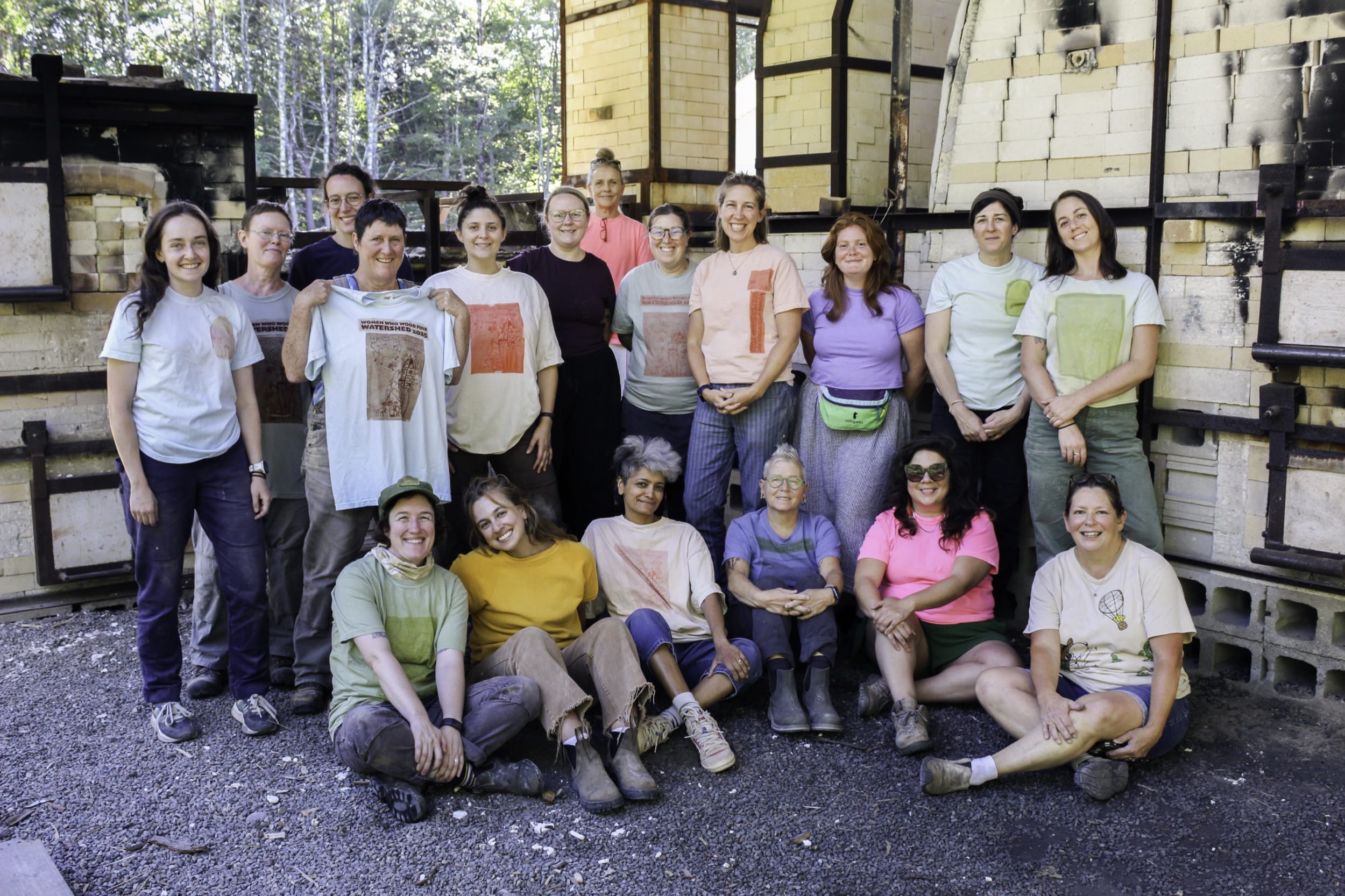
Organizing a summer residency at Watershed provides artists the opportunity to shape a creative community with their unique vision. Organizing artists are the driving force behind the content of our summer residency program, giving voice to the most pressing concerns in the ceramics field.
Watershed’s two-week summer residency sessions bring together cohorts of artists interested in living and working in community. Driven by a central theme, each session offers the opportunity to develop personal practice alongside other ceramicists. Residents spend their time making, playing, and resting, supported by our expansive studio facilities, nourishing meals, and welcoming campus.
Organizing artists propose session themes, invite a small group of artists to anchor the session with them, then a juried open call fills the remaining slots. This unique residency structure forms bonds between artists at all points in their careers and creates an environment where knowledge sharing is key.
Organizer Details
Application Process
We encourage session proposals from artists of diverse backgrounds, experiences, identities, and perspectives. Proposed session themes can span a range of concepts, techniques, ideals and issues.
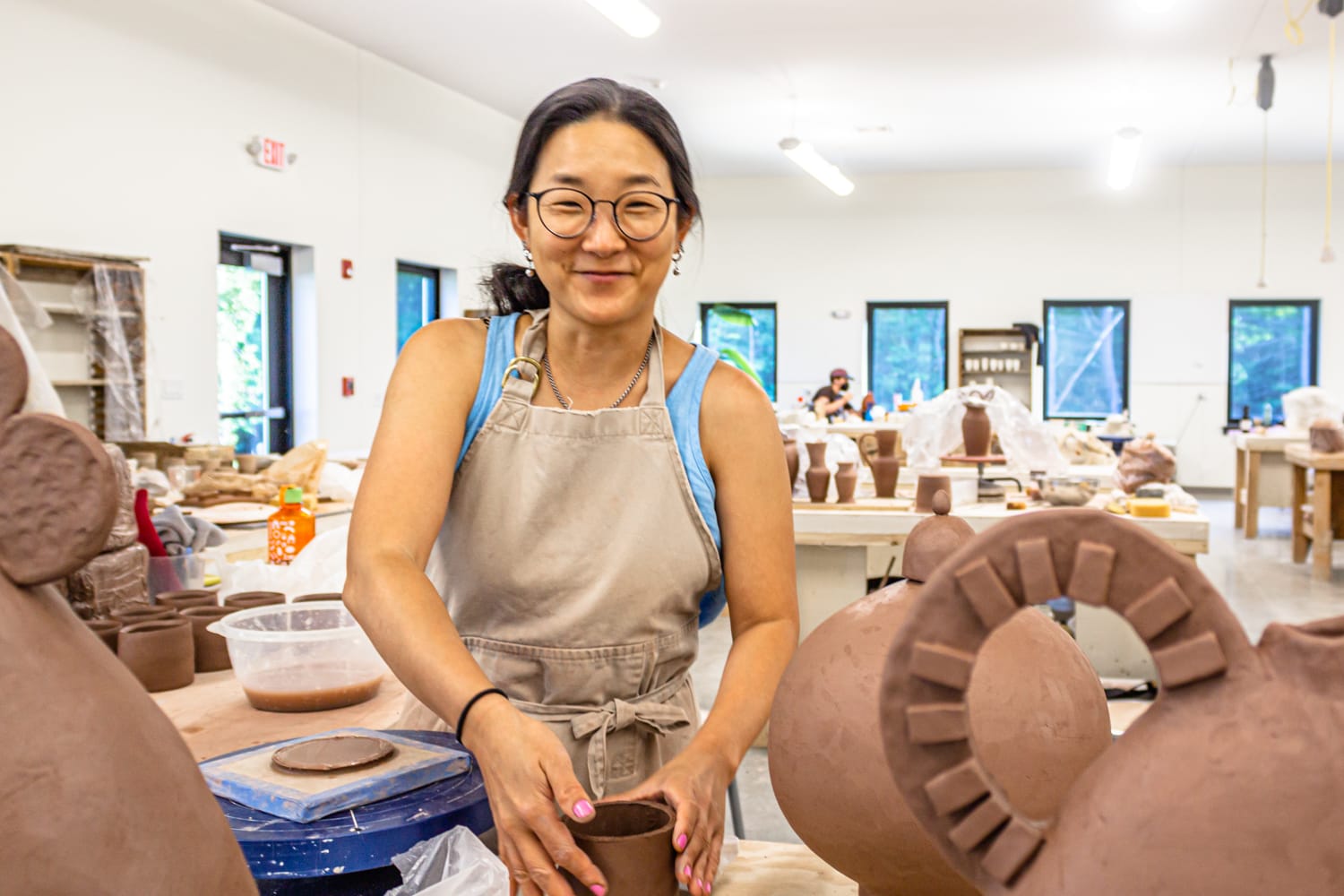
Invited artists make work that supports the session’s theme. Often, they purvey specific techniques and/or bring a unique perspective to the theme.
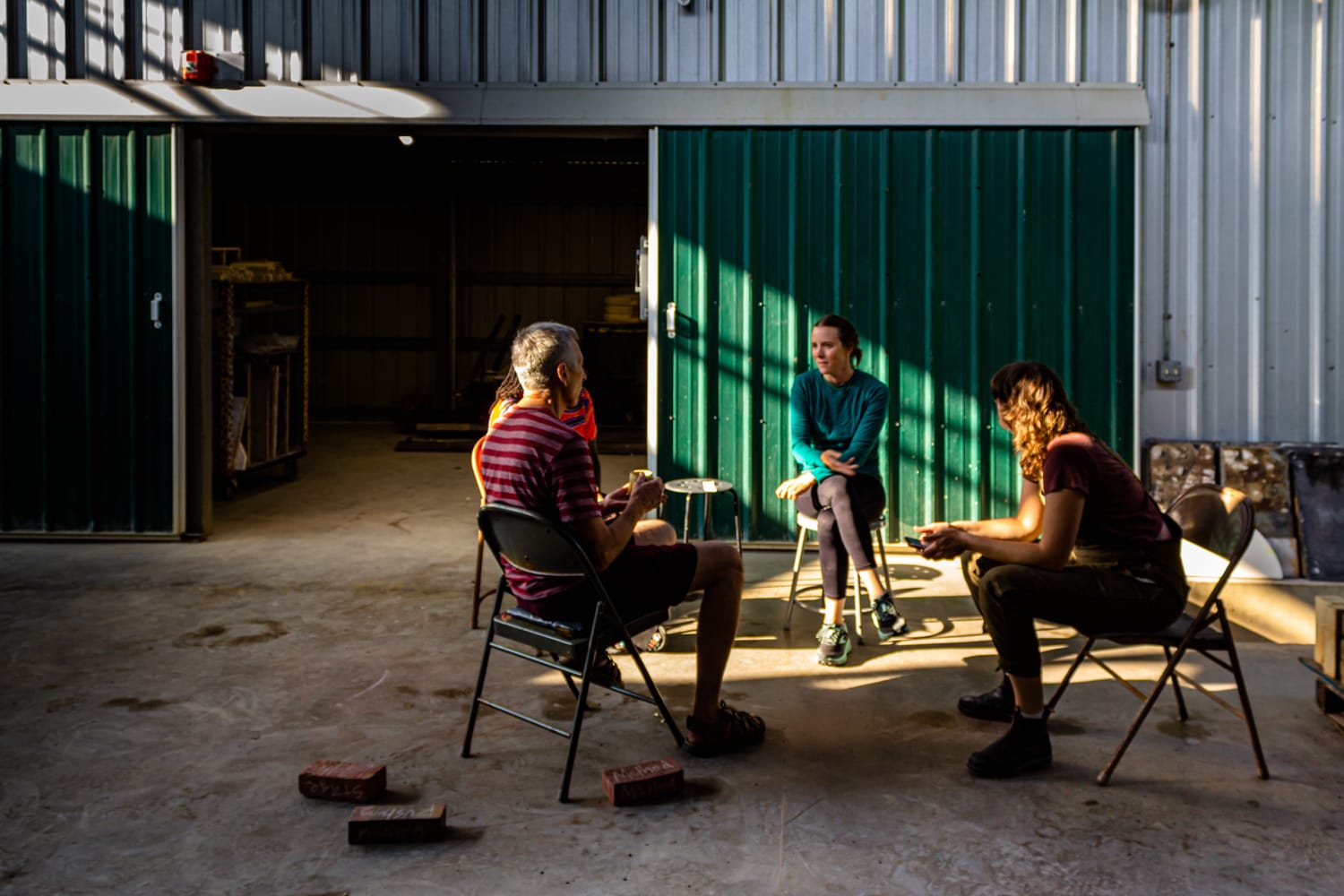
Any artist may apply to participate in a themed session. Once in-residence, the entire group forms one community, engaging collectively around the session’s theme.
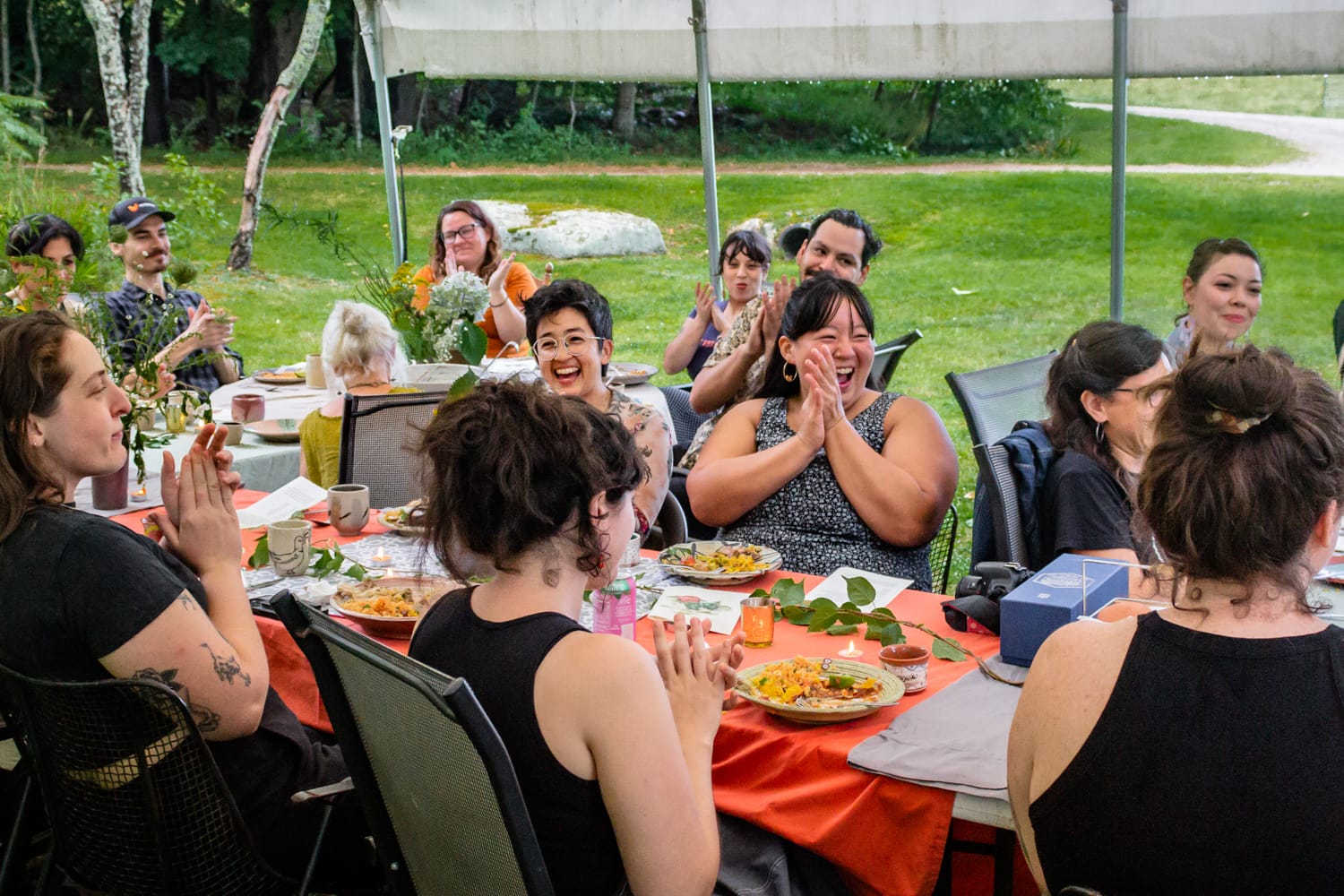
Organizer Responsibilities
Organizers partner with Watershed over the year prior to the residency, and during their time on campus. They:
- Help Watershed staff facilitate orientation and information meetings
- Act as a connector for information and communication amongst the invited artist group, the residents and Watershed staff
- Help to facilitate kiln firings and collaborative projects
- Promote inclusion and a healthy community for all residents
- Help organize group activities like daily walks, critiques, discussions, and trips off campus
Fees
Organizers · Free
The organizer participates in the residency free-of-charge.
The fee waiver covers studio space, lodging in a double occupancy room, and meals. Watershed offers fully-funded residency spots to organizers because of the integral role they play in developing and hosting a successful session. If two artists are sharing the organizer role, they each receive a 50% discount on their residency, double-occupancy room and board fees at the invited artist rate. Organizers pay for their materials and kiln firings.
Invited Artists · Partial Funding
Invited artists receive partial funding at Watershed, close to a 30% reduction on their residency fee.
Invitees pay for lodging and meals at the donor-subsidized rate, listed below, as well as materials and firing costs. Artists are required to live on campus during the residency. Because of this financial support, Invited artists are not eligible to receive additional scholarship funding from Watershed.
Application Fee
Invited Artist: $0
Regular Artist: $25
Residency Fee
Invited Artist: $1,375
Regular Artist: $1,825
Housing Fee
Double Occupancy Room/Shared Bath: $825 per person
Single Occupancy Room/Shared Bath: $1230
Double Occupancy Room/Private Bath: $1,430 per person
Single Occupancy Room/Private Bath: $1,750
Kiln and Material Fees
Residents pay a-la-carte fees for use of Watershed’s stock clay materials and kiln firing fees. Fees are due at the end of each month.
Payment Timeline
$400 non-refundable deposit is due upon registration. Remaining balance for Sessions I & II due April 15. Remaining balance for Sessions III, IV, V, & VI due May 15.
Ready to apply?
Our 2027 Organize a Residency application is extended through June 22, 2026.
Have questions? Read our FAQ →
.jpg)
2026 Summer Sessions

How can ceramicists move between ancient and novel technologies? The second residency of its kind at Watershed, Digital Clay 2.0 welcomes digital fabrication into the studio while embracing the spontaneity inherent in the ceramics process. Structured around mini-tutorials and communal projects, residents will work to generate, gather, and document new applications of technologically-informed production, resulting in a dynamic open-source database with images, links, recipes, and tutorials.
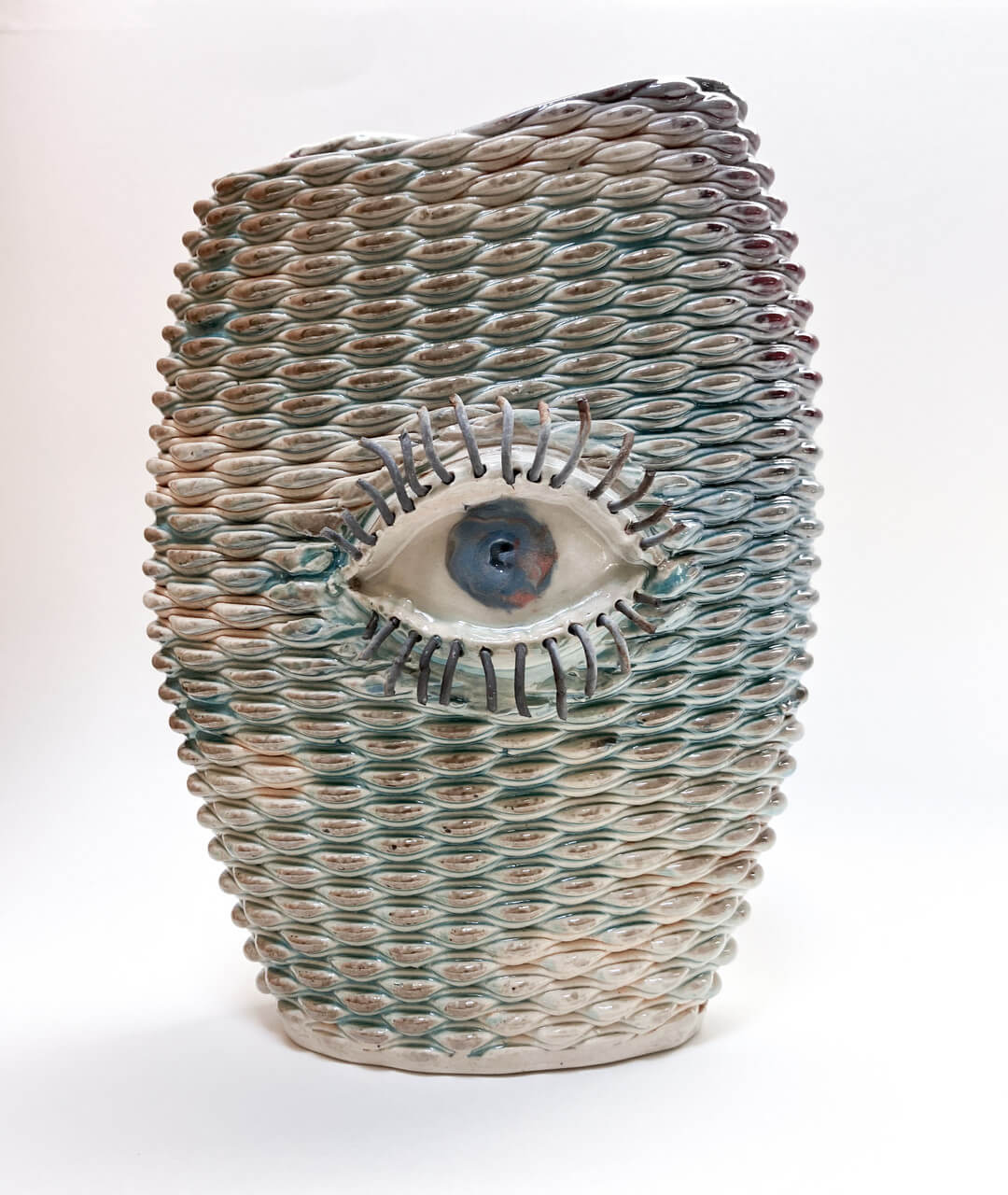
How can ceramicists move between ancient and novel technologies? The second residency of its kind at Watershed,Digital Clay 2.0,welcomes digital fabrication into the studio while embracing the spontaneity inherent in the ceramics process. Structured around mini-tutorials and communal projects, residents will work to generate, gather, and document new applications of technologically-informed production, resulting in a dynamic open-source database with images, links, recipes, and tutorials.
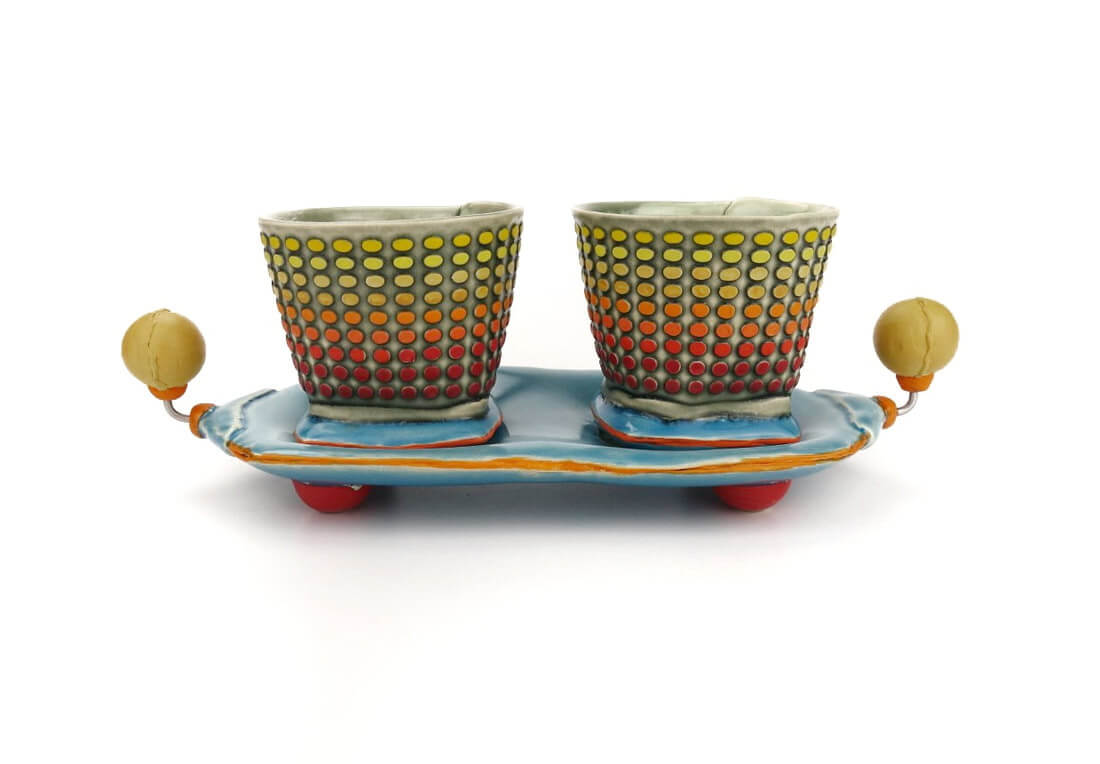
What methods do ceramicists use to bridge the gap between ideas and realized forms? Making the Thing to Make the Thing highlights the period of trial and testing that leads clay artists to a finished product or signature aesthetic. Through a handful of problem-solving exercises, residents will work alongside one another to navigate experimentation and develop tools and processes that aid their making practices.
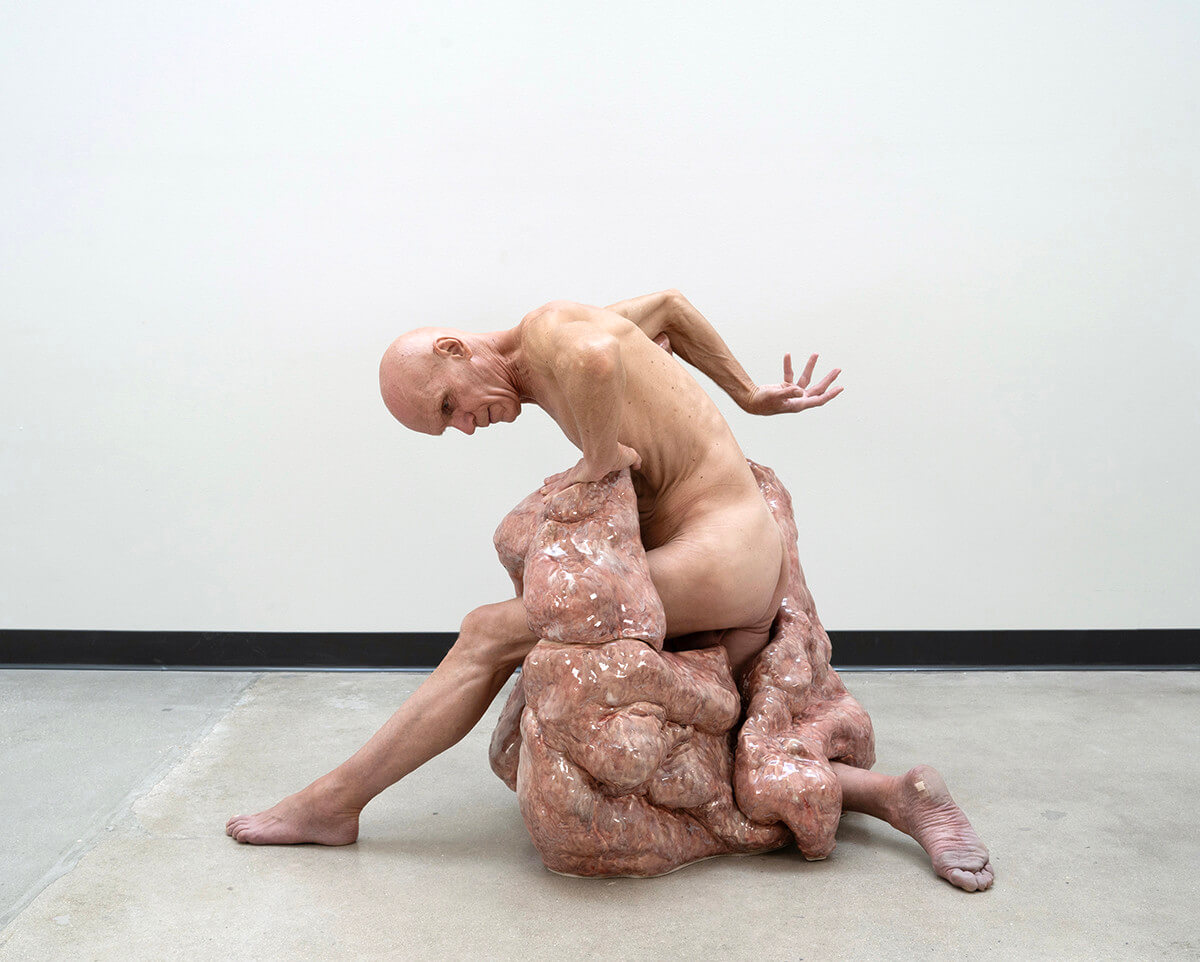
How does physical existence inform interaction with clay? Thinking Through the Body begins with the understanding that all people navigate their internal lives through a vulnerable, imperfect, ever-changing, beautiful, and mortal corporeality. Whether implied or represented directly, the body will be the core focus in the studio, and residents will be encouraged to consider the ways in which the body impacts their relationships with material and form.
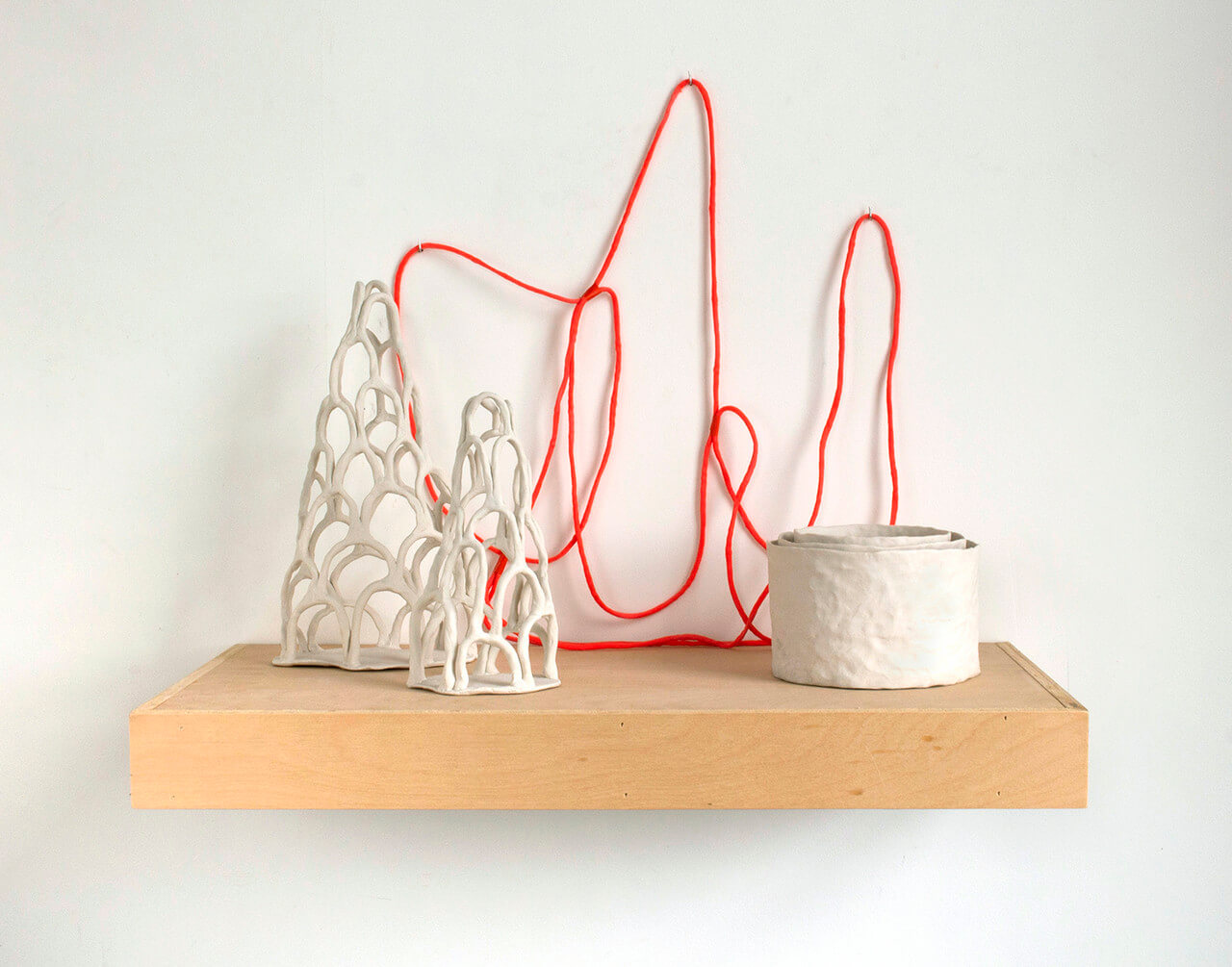
How do artists negotiate change and disruption? While its forms vary—grief, caregiving, relocation, shifts in health or identity, political or environmental instability, or creative burnout—nearly all artists encounter moments when their ability to make work is interrupted or altered. Residents will reflect on the relationship between disruption and artistic evolution, questioning how art-making can serve as both response and resistance to these challenges. Collaborative experimentation, generative prompts, discussion, and grounding practices will support individual work while fostering community and collective reflection.
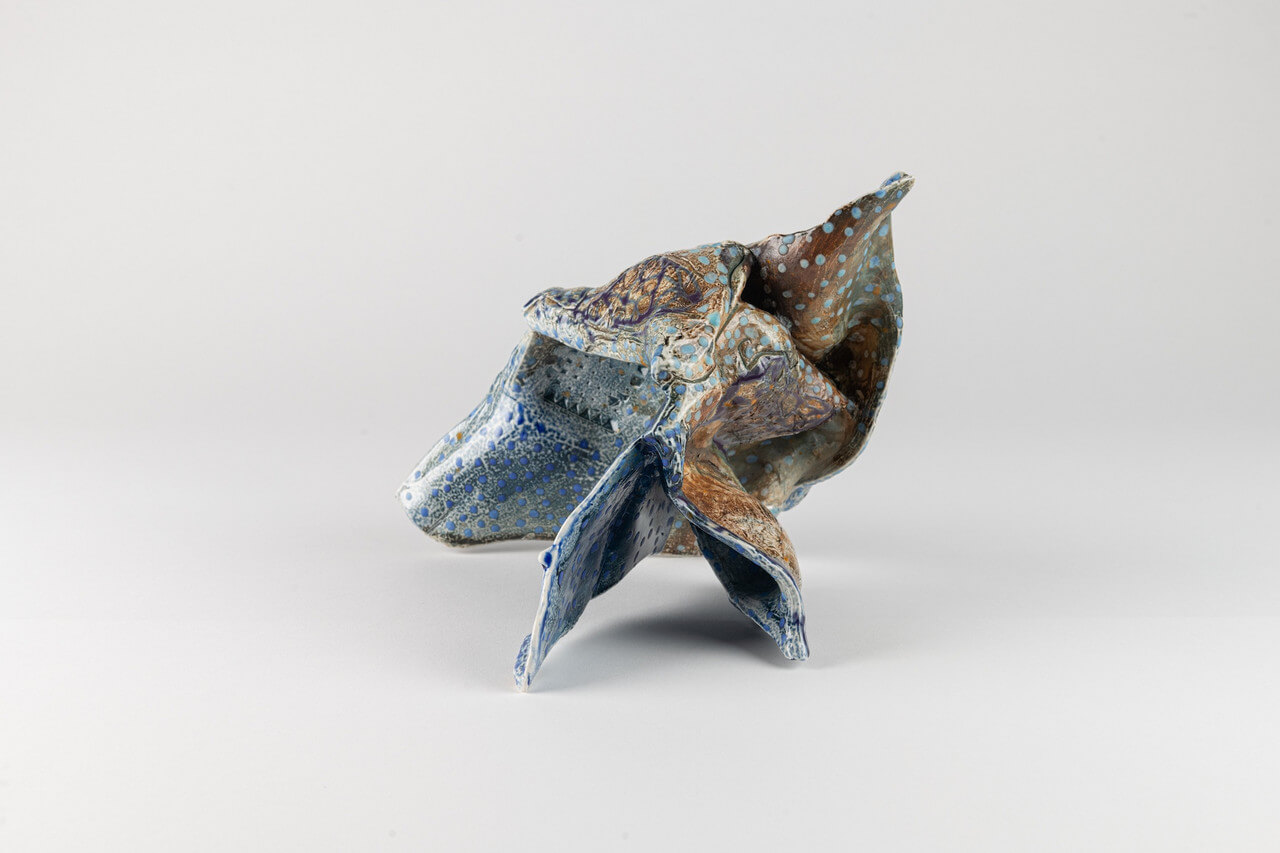
How can art educators maintain stability between their roles as teachers & makers? This session is designed to give dedicated artist-educators—those who teach in community arts centers, colleges, public schools, and private institutions—the time and space to focus on their own creative work. Both a celebration and a much-needed restoration, Watershed will be a place for artist-educators to rest, reflect, experiment, and re-engage with their work on their own terms. Restoring the Balance Between Teacher & Maker is a celebration, a much-needed respite, and a recognition of the unique balance artist-educators strike between teaching and making.